Billie Eilish and the Art of Vulnerability
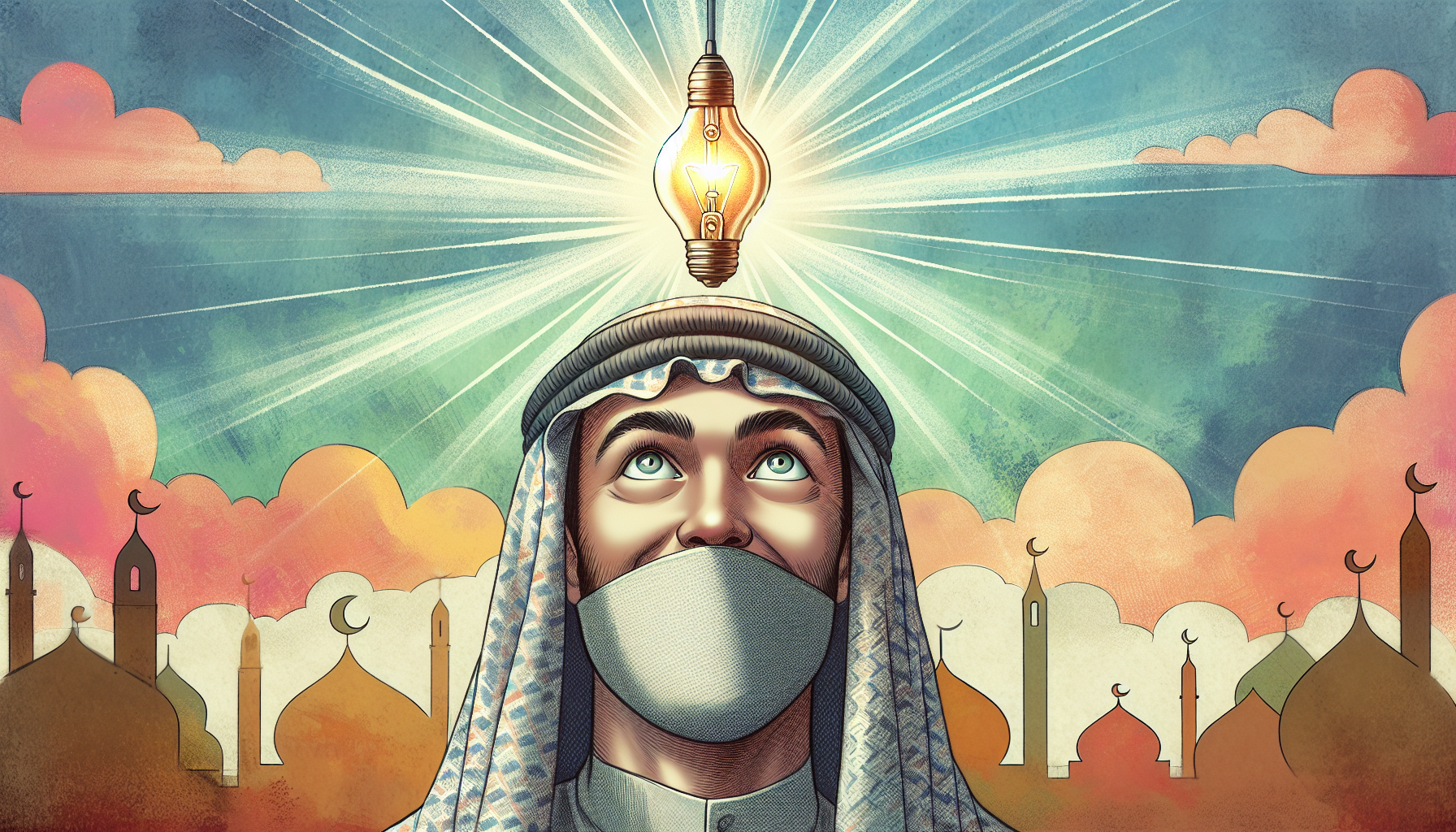
Vulnerability serves as a powerful tool in the realms of storytelling and music, enabling artists to connect with their audiences on an emotional level. Billie Eilish's lyrics frequently mirror her own experiences with anxiety, depression, and self-image issues, rendering her music relatable to millions. For instance, in songs like "Bellyache," she captures the weight of guilt and remorse, while "When the Party's Over" conveys feelings of sorrow and detachment. These tracks invite listeners into her world of emotional turmoil, creating a shared experience that resonates deeply.
Reshaping the Landscape of Pop Music
Billie Eilish's influence transcends her music; she is actively reshaping the pop music landscape by prioritizing authenticity over the polished perfection often seen in the genre. In an industry frequently criticized for its contrived personas, Eilish’s raw honesty has established a new benchmark. This shift is unmistakable in how her music is perceived and its impact on fellow artists.
The Cultural Impact of Eilish's Vulnerability
The cultural ramifications of Eilish’s vulnerability are significant. In a world where social media often promotes unrealistic standards of beauty and success, her authenticity encourages fans to embrace their true selves. Eilish has become a prominent voice for the youth, advocating for mental health awareness and self-acceptance. Her influence is evident in the way her fans engage with her music and message, frequently sharing their own narratives of struggle and resilience.
Billie Eilish’s artistry showcases the profound power of vulnerability in forging connections with audiences and reshaping cultural narratives. By embracing her own struggles and sharing them through her music, she has sparked a movement that champions authenticity, self-acceptance, and emotional openness.
Music Therapist
Hospitals, rehabilitation centers, schools, private practice
Core Responsibilities
Design and implement therapeutic music sessions to address mental health issues such as anxiety and depression.
Facilitate group and individual sessions, using music as a medium for emotional expression and healing.
Collaborate with healthcare professionals to develop personalized treatment plans for clients.
Required Skills
Degree in music therapy or a related field, along with board certification.
Proficient in various musical instruments and vocal techniques.
Strong understanding of psychological principles and therapeutic practices.
Social Media Manager for Artists
Record labels, artist management firms, independent artists
Core Responsibilities
Develop and execute social media strategies to enhance the online presence of musicians, particularly focusing on authenticity and personal storytelling.
Create engaging content that resonates with the artist's audience, reflecting their brand and values.
Monitor social media trends and audience engagement metrics to adjust strategies accordingly.
Required Skills
Proven experience in social media management, particularly within the music or entertainment industry.
Excellent communication and storytelling skills, with a focus on emotional connection.
Familiarity with social media analytics tools and content creation software.
Cultural Critic/Writer
Magazines, online publications, cultural institutions
Core Responsibilities
Analyze and write about cultural phenomena, focusing on the impact of artists like Billie Eilish on societal norms and mental health discussions.
Conduct interviews and research to provide insights on authenticity in music and its effect on audiences.
Contribute articles to magazines, blogs, and online platforms that discuss contemporary issues in the arts.
Required Skills
Strong writing skills with the ability to articulate complex ideas clearly and engagingly.
Background in cultural studies, journalism, or a related field.
Ability to think critically about media and its cultural implications.
Artist Development Manager
Record labels, management companies, talent agencies
Core Responsibilities
Work closely with emerging artists to refine their brand, sound, and public image, emphasizing authenticity and emotional connection.
Provide guidance on songwriting, performance, and public relations to help artists resonate with their target audience.
Liaise between artists and record labels to negotiate contracts and promote creative projects.
Required Skills
Experience in artist management, music production, or a related field.
Strong interpersonal skills to foster authentic relationships between artists and their audiences.
Knowledge of the music industry landscape and trends, particularly regarding mental health and authenticity.
Mental Health Advocate in the Arts
Nonprofits, arts organizations, educational institutions
Core Responsibilities
Develop and promote initiatives that support mental health awareness among artists and their audiences.
Organize workshops and events that facilitate open discussions about mental health and vulnerability in the creative community.
Collaborate with organizations to create resources that help artists manage their mental well-being.
Required Skills
Background in psychology, social work, or a related field, with a focus on mental health advocacy.
Strong communication and networking abilities to engage with diverse stakeholders.
Passion for the arts and understanding of the unique challenges faced by creative professionals.