Bridging Tradition and Technology: The Evolution of Mountain Manufacturing
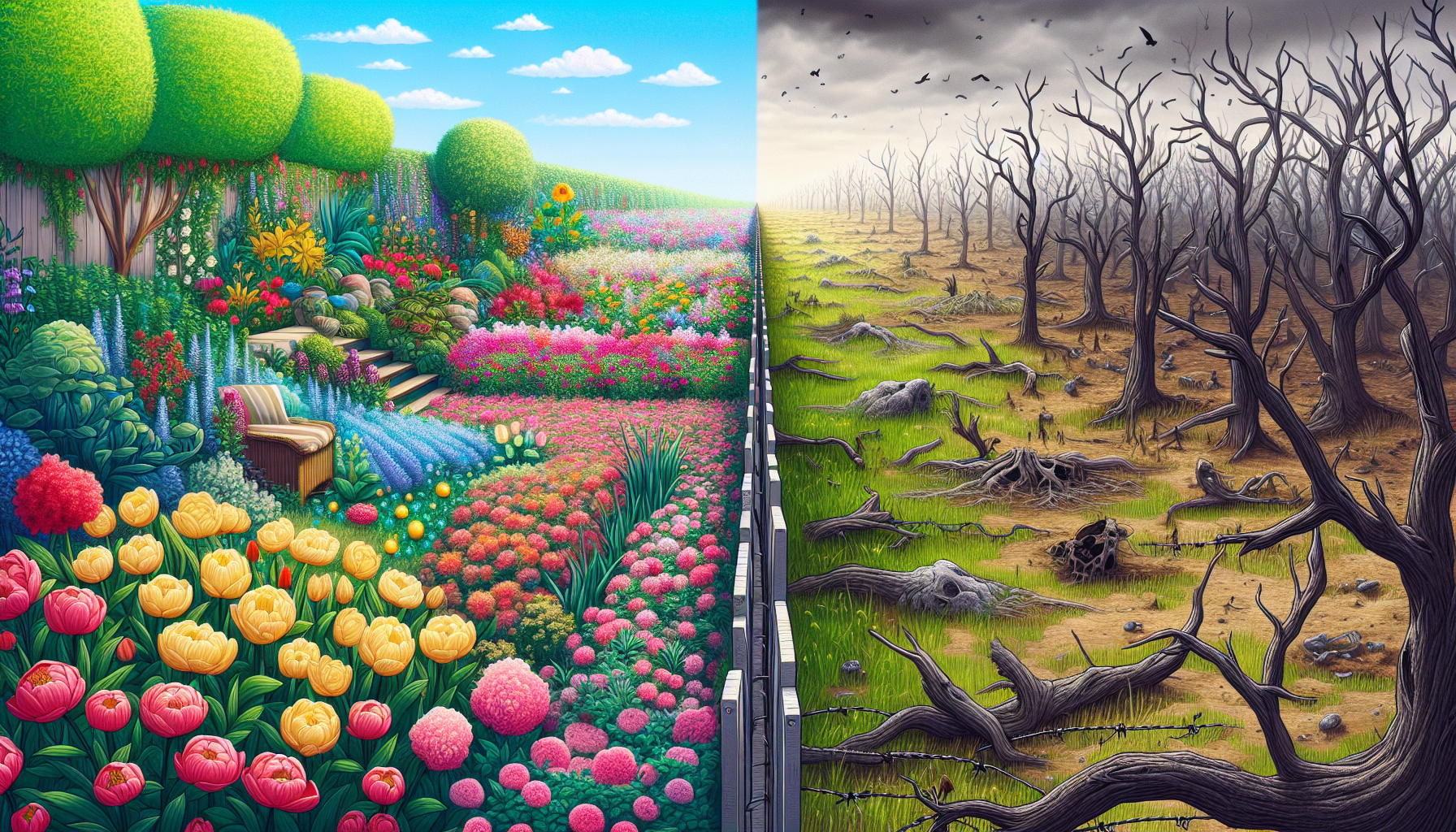
Founded in the late 20th century, Mountain Manufacturing originated during a period when traditional manufacturing processes were the norm. The company began with a focus on producing high-quality goods using established techniques and a dedicated workforce. Craftsmanship and reliability were paramount, and these values continue to resonate within the company's culture today. However, as the 21st century approached, the manufacturing sector faced numerous challenges, including globalization, rising competition, and an increasing consumer demand for innovation. Mountain Manufacturing recognized the need for change and began to explore how it could integrate modern technologies into its operations without sacrificing the craftsmanship that defined its brand.
Integration of Advanced Technologies
One of the pivotal moments in Mountain Manufacturing's evolution was the adoption of automation and smart technologies. By investing in robotics and artificial intelligence, the company streamlined its production processes, making them more efficient and less prone to human error. For instance, the introduction of automated assembly lines significantly reduced lead times, allowing Mountain Manufacturing to respond more quickly to market demands. Additionally, the company embraced the Internet of Things (IoT), enabling real-time monitoring of production lines. This technology provides valuable insights into operational efficiency and maintenance needs, allowing the company to act proactively rather than reactively. Such innovations not only enhance productivity but also contribute to sustainability efforts by minimizing waste and energy consumption.
Evolution of Product Lines
Mountain Manufacturing has also evolved its product lines to meet the changing needs of consumers and industries. Initially focused on traditional manufacturing, the company has expanded into high-tech products that leverage advanced materials and manufacturing techniques. This includes everything from precision-engineered components to sustainable products designed with eco-friendly materials. For example, the introduction of 3D printing capabilities has allowed Mountain Manufacturing to offer customized solutions for clients, a service that was previously unattainable within traditional manufacturing frameworks. This move towards customization not only attracts a broader customer base but also positions the company as a leader in innovative manufacturing solutions.
Maintaining Core Values
While embracing technology, Mountain Manufacturing has remained steadfast in its commitment to its core values: quality, integrity, and community engagement. The company ensures that every technological advancement aligns with these principles. For instance, while automation has improved efficiency, Mountain Manufacturing has prioritized upskilling its workforce, offering training programs that equip employees with the skills needed to work alongside new technologies. Moreover, the company continues to engage with the communities in which it operates, supporting local initiatives and fostering relationships that reflect its foundational values. This commitment to community has not only solidified its reputation but has also contributed to employee morale and loyalty, making Mountain Manufacturing a desirable workplace for both seasoned professionals and newcomers.
Career Paths and Locations
Mountain Manufacturing offers diverse career paths across various functional areas, including engineering, production, quality assurance, and supply chain management. Employees can pursue roles in technology integration, where they work directly with advanced manufacturing technologies, or in traditional manufacturing roles that focus on craftsmanship and quality control. The company maintains multiple locations across the United States, including its headquarters in a strategic industrial area that facilitates easy access to transportation networks. Each office is equipped with advanced manufacturing capabilities, allowing for collaborative projects that align with the company's vision of innovation and tradition.
Products and Services
Mountain Manufacturing provides a wide array of products and services tailored to meet the needs of various industries. Their product offerings include: 1. Precision-Engineered Components: Utilizing advanced manufacturing techniques, Mountain Manufacturing produces components that meet stringent quality and performance standards. 2. Custom Solutions: With its 3D printing capabilities, the company offers tailored solutions to meet specific client requirements, enhancing customer satisfaction and loyalty. 3. Sustainable Products: Committed to eco-friendliness, Mountain Manufacturing develops products using sustainable materials and processes, catering to the growing demand for environmentally responsible manufacturing. 4. Consulting Services: The company also provides consulting services to help other manufacturers integrate advanced technologies and improve operational efficiencies.
Mountain Manufacturing's journey from a traditional manufacturing company to a modern leader in the industry is a testament to its ability to adapt and thrive in a rapidly changing landscape. By successfully bridging tradition and technology, the company has managed to honor its legacy while embracing innovation. As it continues to evolve, Mountain Manufacturing serves as an inspiring example of how businesses can harmoniously blend their history with future-forward thinking, ensuring they remain relevant and competitive in the ever-changing world of manufacturing. The story of Mountain Manufacturing is one of resilience, innovation, and a steadfast commitment to excellence, offering valuable lessons for manufacturers worldwide. As they continue to navigate the complexities of modern manufacturing, the principles of quality, integrity, and community engagement will remain at the forefront of their operations, guiding their future endeavors.
Automation Engineer
Siemens, Rockwell Automation, Honeywell
Core Responsibilities
Design, implement, and optimize automated manufacturing systems and processes for efficiency.
Collaborate with cross-functional teams to integrate robotics and AI technologies into production lines.
Conduct regular maintenance and troubleshooting of automated systems to ensure operational reliability.
Required Skills
Proficiency in programming languages such as Python, C++, or PLC programming.
Strong understanding of control systems, robotics, and automation technologies.
Experience with CAD software and simulation tools for system design.
Quality Assurance Manager
General Electric, Toyota, Boeing
Core Responsibilities
Develop and implement quality control processes to maintain high manufacturing standards.
Lead audits and inspections to ensure compliance with industry regulations and internal policies.
Analyze production data to identify trends and areas for improvement in product quality.
Required Skills
In-depth knowledge of quality management systems (ISO 9001, Six Sigma).
Strong analytical skills and attention to detail to evaluate product specifications and processes.
Leadership experience in managing QA teams and driving quality initiatives.
Supply Chain Analyst
Amazon, Procter & Gamble, Unilever
Core Responsibilities
Analyze and optimize supply chain processes to enhance efficiency and reduce costs.
Collaborate with suppliers and internal teams to ensure timely delivery of materials and products.
Monitor inventory levels and forecast demand to prevent stockouts or excess inventory.
Required Skills
Proficiency in data analysis tools (Excel, SQL, or supply chain software like SAP).
Strong understanding of logistics, procurement, and inventory management principles.
Excellent communication skills to liaise effectively with vendors and team members.
3D Printing Specialist
Stratasys, 3D Systems
Core Responsibilities
Operate and maintain advanced 3D printing equipment for prototyping and production.
Design and modify CAD models for optimal printability and performance.
Collaborate with product development teams to create custom solutions for clients.
Required Skills
Expertise in 3D modeling software (AutoCAD, SolidWorks, or similar).
Familiarity with various 3D printing technologies (FDM, SLA, SLS) and materials.
Creative problem-solving skills to address design challenges and production issues.
Sustainability Manager
Interface, Patagonia
Core Responsibilities
Develop and implement sustainability initiatives in manufacturing processes to reduce environmental impact.
Conduct audits and assessments to evaluate compliance with environmental regulations and sustainability goals.
Collaborate with product development teams to create sustainable product lines using eco-friendly materials.
Required Skills
Strong knowledge of environmental regulations and sustainability practices in manufacturing.
Excellent project management skills with experience leading sustainability projects.
Ability to analyze environmental data and report findings to stakeholders.