Custom Calm: Designing Personalized VR Stress-Relief Journeys
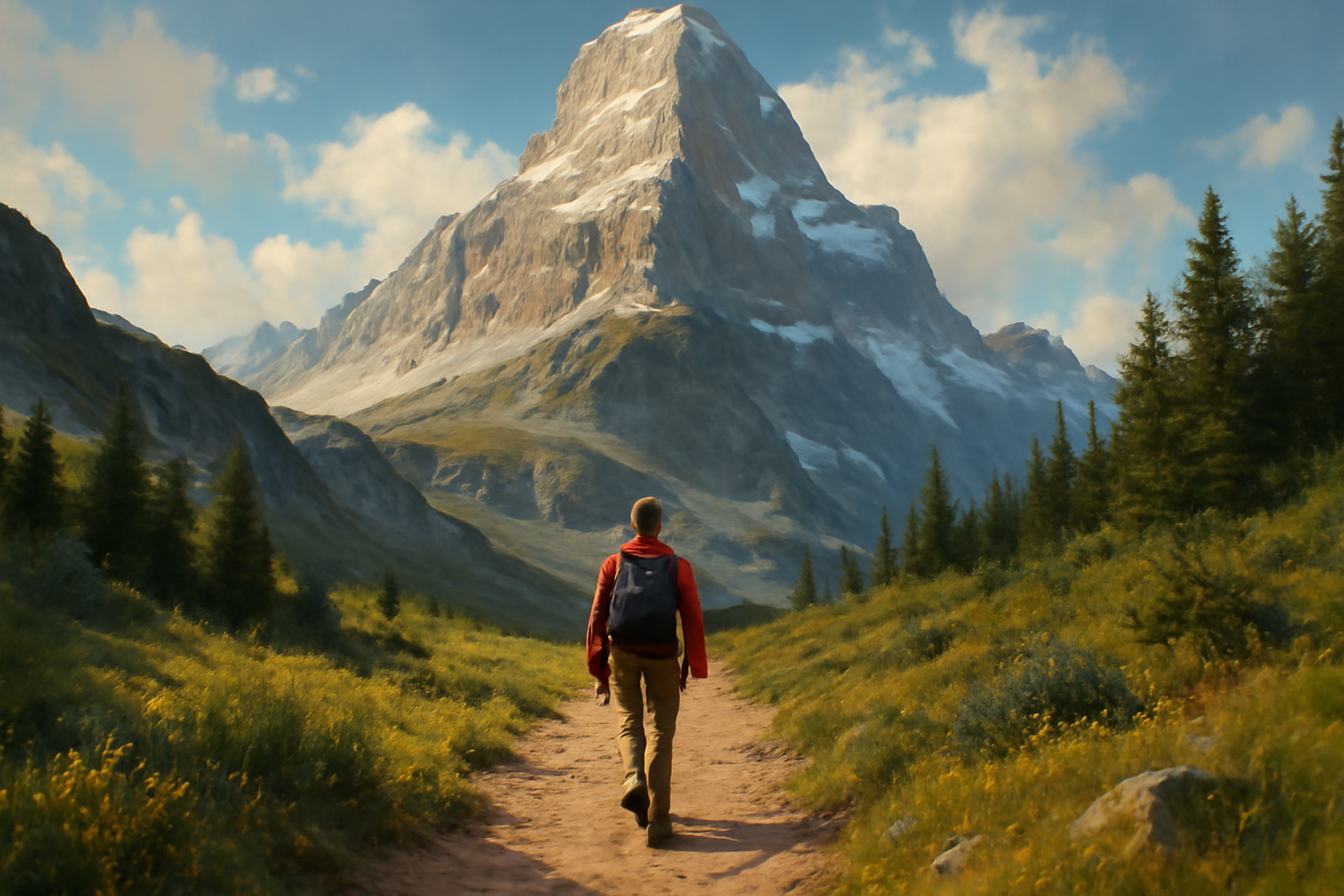
Virtual reality has evolved beyond gaming and entertainment to become a therapeutic tool for stress relief in specialized VR cafes. Unlike earlier VR relaxation experiences with standard environments, modern VR stress-reduction venues focus on personalization, allowing users to select from diverse environments, times of day, weather, and sounds. This customization acknowledges that relaxation triggers are highly individual, empowering users to create meaningful and effective stress management experiences.
How It Works: Tailoring the Virtual Experience
The personalized VR relaxation journey often begins with a user profile or consultation, sometimes incorporating biometric sensors to monitor stress levels. Users can customize visual landscapes, auditory soundscapes, and even olfactory and tactile elements. The system adapts in real time, using biometric feedback to guide users toward a calmer state by adjusting lighting, animation, or sound.
The Science Behind Personalization
Personalized VR relaxation is supported by psychological and neuroscientific research. Studies show that participants in personalized environments experience greater reductions in anxiety and stress, partly due to the sense of control. Immersive VR amplifies relaxation techniques, especially when environments evoke comforting memories, making the experience more restorative and emotionally resonant.
Real-World Impact: Stories from the Cafes
Personalized VR stress-relief's impact is seen in the popularity and satisfaction reported by VR cafe users. Anecdotes, such as Lila's story of recreating childhood sunsets, highlight the emotional resonance. Data shows rising repeat visits and the development of loyalty programs, with some users sharing custom worlds, adding a social dimension to the experience.
The Future of Personalized VR Relaxation
Advancements in VR hardware and software are expanding personalization possibilities, including predictive environments and enhanced haptic feedback. VR relaxation may soon become a standard wellness option in various settings, reflecting a broader trend toward individualized self-care.
Personalized VR stress-relief journeys are redefining relaxation for the digital age by enabling individuals to reclaim agency over their well-being. As stress remains a constant in modern life, the ability to design and inhabit one's own digital sanctuary offers a path to genuine restoration and resilience.
VR Experience Designer (Wellness & Therapeutic Applications)
Headspace, Calm, MindMaze, spatial computing startups, integrative health clinics
Responsibilities & Skills
Designs immersive VR environments specifically intended for stress reduction, relaxation, and therapeutic use in wellness cafes, clinics, and consumer products.
Collaborates with psychologists, sound designers, and haptics specialists to create customizable environments that address individual user triggers and preferences.
Requires experience with Unity or Unreal Engine, 3D modeling, and user-centered design principles; a background in cognitive psychology or wellness is highly valued.
Biometric Integration Engineer (VR & Wearable Interfaces)
Oura, Muse, VR hardware startups, digital health labs at tech giants (e.g., Apple Health, Google Fit)
Responsibilities & Skills
Develops and implements systems that capture, analyze, and integrate biometric data (e.g., heart rate, skin conductance) into VR platforms to personalize user experiences in real time.
Works with hardware (wearables, sensors) and software teams to ensure seamless, low-latency data flow between devices and VR environments.
Requires proficiency in biosignal processing, embedded systems, and APIs for health tech; experience with VR SDKs and privacy/security standards is essential.
Multisensory Content Producer (VR/AR Wellness)
Aromyx, Sensiks, VR/AR studios specializing in multisensory experiences, luxury wellness brands
Responsibilities & Skills
Creates layered audio, visual, olfactory, and haptic content for immersive VR experiences designed for relaxation, meditation, and stress relief.
Coordinates with scent diffusion technologists, haptic engineers, and audio specialists to synchronize real-world and virtual stimuli for maximum immersion.
Requires deep expertise in sound design, experiential storytelling, and, ideally, background in fields like aromachology or sensory science.
User Experience (UX) Researcher – Immersive Wellness Technologies
Calm, VR meditation startups, academic research labs (e.g., Stanford Virtual Human Interaction Lab), UX consultancies specializing in health tech
Responsibilities & Skills
Conducts ethnographic research, usability testing, and physiological studies to understand how diverse users experience and benefit from personalized VR stress-relief solutions.
Analyzes biometric and self-report data to inform design decisions and measure therapeutic efficacy.
Requires experience with qualitative and quantitative research methods, IRB protocols, and a strong interest in behavioral health or digital wellness.
VR Wellness Program Manager (Cafes & Hospitality)
Urban VR cafes, boutique hotels, luxury spas integrating technology, managed workspace providers (e.g., WeWork, Convene)
Responsibilities & Skills
Oversees the deployment and daily operation of VR stress-reduction programs in cafes, spas, or hospitality settings, ensuring high-quality, personalized guest experiences.
Manages staff training, user feedback systems, and partnership development with VR vendors and wellness practitioners.
Requires operational leadership experience, familiarity with VR hardware/software, and a background in wellness program administration or hospitality management.