Silent Symphony: The Hidden Choreography of the Sterile Cockpit Rule
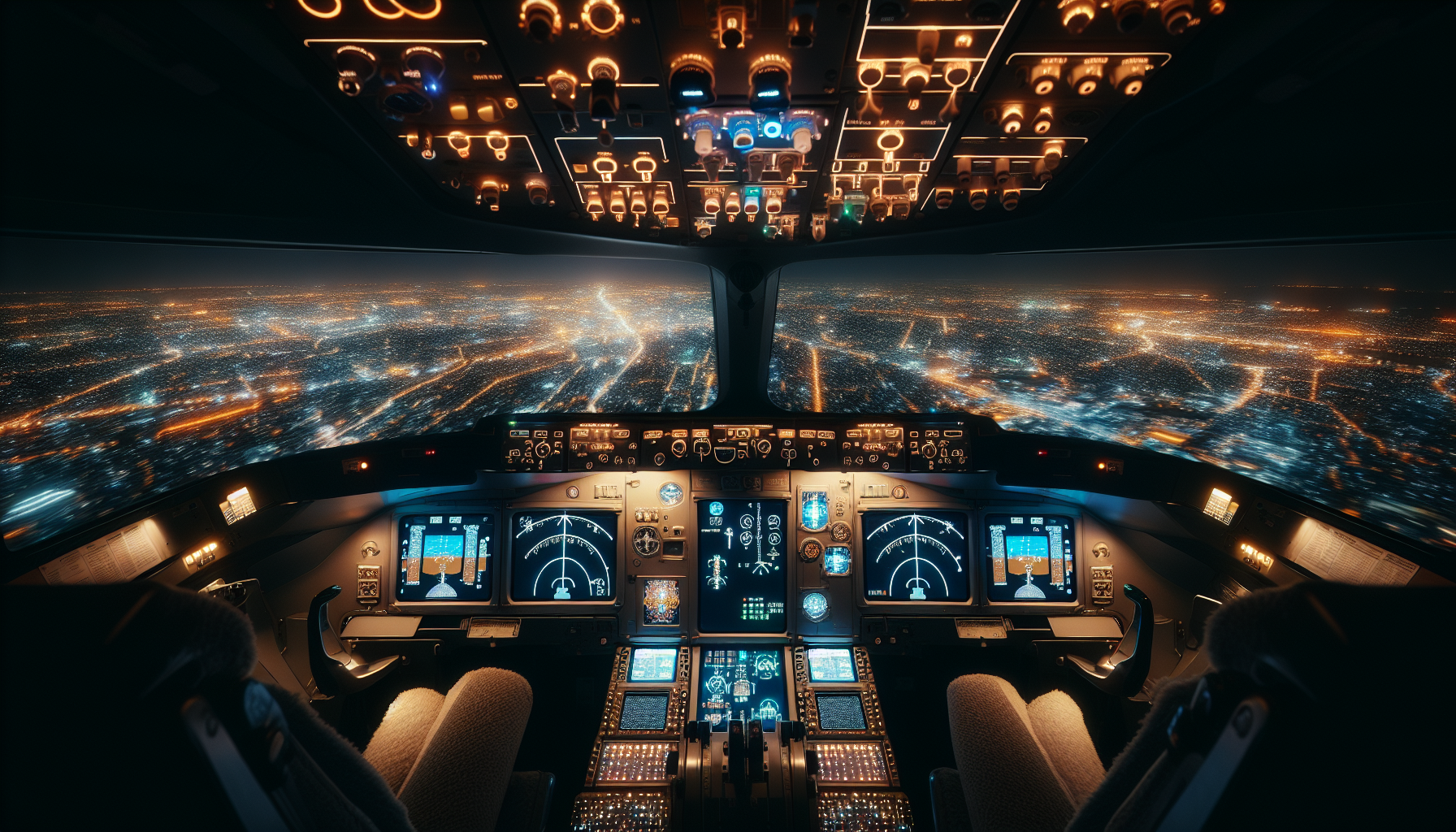
The sterile cockpit rule has its roots in the 1980s, established by the Federal Aviation Administration (FAA) following a series of incidents where cockpit distractions led to accidents and near-misses. The rule dictates that during critical phases of flight—typically below 10,000 feet and during taxi, takeoff, and landing—all non-essential activities and conversations are prohibited. The primary goal is to minimize distractions, ensuring that the flight crew's attention is wholly directed towards the safe operation of the aircraft. In essence, the sterile cockpit rule is a safety net woven from disciplined focus and communication.
The Symphony of Silent Communication
Although the term "sterile cockpit" might suggest silence, the reality is far from mute. Instead, the cockpit becomes a chamber of essential communication, where pilots engage in precise exchanges of information using standardized phraseology and protocols. This disciplined dialogue is akin to musicians following a conductor’s baton, where each note—or in this case, each command and response—is delivered with exact timing and clarity. For example, during takeoff, the captain and first officer meticulously navigate through a checklist, confirming settings, discussing potential issues, and ensuring all systems are functioning correctly. These communications are succinct and devoid of ambiguity, underscoring the importance of clarity and brevity in high-stakes environments.
The Role of Non-Verbal Cues
Beyond verbal exchanges, non-verbal cues play a significant role in the cockpit's choreography. Pilots develop an acute awareness of their surroundings and colleagues, often able to anticipate each other's actions through subtle gestures and established routines. This implicit understanding allows for almost instinctive operation, reducing the need for excessive verbal instructions and maintaining focus on the task at hand.
The Choreography of Coordination
The sterile cockpit rule necessitates not only communication but also precise coordination among the flight crew. Each member holds defined roles and responsibilities, much like dancers in a well-rehearsed performance. The captain and first officer must work in harmony, with each action carefully timed and executed. This coordination extends beyond the cockpit, involving flight attendants and ground crew who also adhere to protocols that support a distraction-free environment. For instance, flight attendants play a crucial role by ensuring the cabin is secure and that passengers are briefed and prepared for takeoff and landing. This behind-the-scenes work allows pilots to concentrate solely on flying the aircraft without additional concerns.
While passengers may not witness the sterile cockpit rule in action, its impact is profound. It transforms critical phases of flight into a silent symphony of communication and coordination, ensuring that every flight is conducted with the utmost safety and precision. Understanding this hidden choreography offers a fresh appreciation for the artistry and discipline that underpin aviation safety. As we journey through the skies, let us recognize the silent symphony playing out in the cockpit—a testament to the dedication and expertise of the flight crew who navigate our paths safely from takeoff to landing.
Flight Operations Manager
Airlines like Delta, United, and American Airlines
Core Responsibilities and Required Skills
Oversee and coordinate daily flight operations to ensure safety and compliance with aviation regulations.
Develop and implement operational procedures, including emergency response protocols.
Collaborate with pilots, ground crew, and air traffic control to optimize flight schedules and routes.
Strong leadership and decision-making abilities, experience with aviation software systems.
Air Traffic Controller
Federal Aviation Administration (FAA), airport authorities
Core Responsibilities and Required Skills
Manage aircraft movements on the ground and in the air, ensuring safe distances between planes.
Communicate precise instructions to pilots during takeoff, landing, and en-route phases.
Monitor radar equipment and coordinate with other controllers to manage traffic flow.
Excellent spatial awareness, ability to remain calm and focused under pressure.
Aviation Safety Inspector
FAA, aircraft manufacturers like Boeing and Airbus
Core Responsibilities and Required Skills
Conduct thorough inspections of aircraft, maintenance procedures, and operational practices.
Evaluate compliance with safety regulations and recommend corrective actions.
Provide training and guidance to aviation personnel on safety protocols.
Detailed knowledge of aviation safety standards, experience in accident investigation.
Aircraft Maintenance Engineer
Airlines, maintenance, repair, and overhaul (MRO) companies
Core Responsibilities and Required Skills
Perform routine maintenance and repairs on aircraft to ensure airworthiness.
Diagnose mechanical problems using diagnostic tools and technical manuals.
Work closely with pilots and flight operations to address any reported issues.
Certification from a recognized aviation authority, expertise in specific aircraft models.
Aviation Communication Specialist
Aviation technology companies, airlines
Core Responsibilities and Required Skills
Develop and manage communication systems used between cockpit crew, air traffic control, and ground operations.
Ensure reliable and secure transmission of data and voice communications.
Troubleshoot and resolve communication system issues promptly.
In-depth knowledge of radio and satellite communication technologies, strong analytical skills.