The Intersection of Art and Automation in Manufacturing

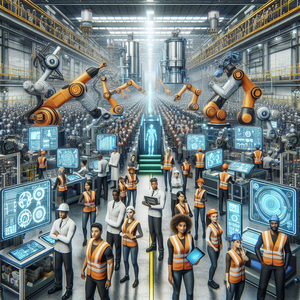
The fusion of art and automation is not just a contemporary concept; it represents a burgeoning trend that reflects the shifting landscape of manufacturing. Companies are increasingly recognizing that aesthetic considerations can significantly impact consumer engagement and brand identity. In this context, robotics plays a dual role: it serves as a tool for executing intricate designs and as a collaborator enabling artists to stretch the limits of their creativity. One notable example is the work of KUKA, a prominent manufacturer of industrial robots. KUKA has ventured into artistic applications by collaborating with artists to create installations that blend technology with visual art. Their robotic arms, originally designed for manufacturing tasks, have been repurposed to produce intricate sculptures, demonstrating that the precision of robotics can elevate artistic expression.
Innovative Applications of Robotics in Art
Several companies and artists are redefining the capabilities of industrial robots by integrating them into creative processes. The Robotic Fabrication Lab at ETH Zurich is a prime example of this innovation. The lab has pioneered techniques that utilize robotic arms to create complex architectural forms. By programming these robots to manipulate materials in ways that were previously unattainable, they are transforming the construction process and injecting an artistic flair into architectural design. Furthermore, the rise of generative art, where algorithms dictate the creation of visual pieces, showcases how automation can enhance artistic endeavors. Artists like Refik Anadol are leveraging machine learning and robotics to create immersive installations that respond to real-time data, blurring the lines between art and technology. Anadol's work exemplifies how automation can facilitate artistic exploration, resulting in dynamic pieces that engage audiences on multiple levels.
The Benefits of Combining Art and Automation
The integration of art and automation offers numerous advantages for the manufacturing industry. First and foremost, it enhances product differentiation in a crowded market. With consumers increasingly drawn to unique and aesthetically pleasing products, companies that prioritize design are more likely to capture attention and stand out. Additionally, merging creativity with technology fosters innovation within organizations. Collaboration between engineers and artists stimulates new ideas and approaches, leading to groundbreaking products and processes. This multidisciplinary approach encourages a culture of experimentation, enabling companies to stay ahead of trends and respond effectively to changing consumer demands.
Challenges and Considerations
Despite the exciting potential of merging art and automation, challenges persist. One primary concern is the skill gap; many traditional manufacturers may lack the expertise necessary to implement artistic practices alongside robotic automation. To address this, educational institutions and industry leaders must prioritize interdisciplinary training that equips workers with both technical and creative skills. Moreover, a cultural shift within the manufacturing sector is essential. Embracing creativity alongside efficiency requires a transformation that values artistic contributions as much as technical proficiency. Companies must cultivate environments that encourage collaboration between engineers and artists, dismantling silos that have historically separated these disciplines.
Career Considerations in Art and Automation
The blending of art and automation opens a myriad of career opportunities across various fields. Here are some potential career paths for individuals looking to navigate this innovative landscape: 1. **Industrial Robotics Operator**: Requires technical programming skills and a safety-conscious attitude to operate and maintain robotic systems in manufacturing settings. 2. **Robotic Design Engineer**: Involves designing and engineering robotic systems with a focus on both functionality and aesthetics. 3. **Creative Technologist**: Combines technical knowledge with artistic vision to create engaging experiences and installations using technology. 4. **Generative Artist**: Utilizes algorithms and programming languages to create dynamic art pieces that can evolve and change. 5. **Architectural Visualizer**: Works with architects and designers to produce visual representations of architectural projects, often integrating robotic techniques. 6. **Art Curator for Technology Exhibitions**: Focuses on showcasing works that blend art and technology, educating the public about innovations in this area. 7. **Interdisciplinary Educator**: Teaches courses that merge art and technology, preparing the next generation of artists and engineers. 8. **Product Designer**: Develops unique products that prioritize both function and aesthetics, leveraging robotic manufacturing techniques. 9. **Artistic Director in Manufacturing**: Oversees the creative aspects of product design and development, ensuring artistic vision is integrated into manufacturing processes. 10. **Researcher in Robotic Applications**: Engages in research to explore new uses of robotics in creative fields, pushing the boundaries of what is possible.
The intersection of art and automation in manufacturing signifies more than just a fleeting trend; it embodies a fundamental shift in how we perceive the role of industrial robotics. By embracing creativity and integrating artistic principles into manufacturing processes, companies can enhance product appeal, foster innovation, and redefine the future of work in this sector. As the boundaries between art and technology continue to blur, the potential for collaboration will only expand, inviting a new generation of creative minds to explore the limitless possibilities at the confluence of these two fields. The future of manufacturing is not solely about efficiency; it is about creativity, expression, and the endless opportunities that arise when art meets automation.
Industrial Robotics Operator
KUKA, ABB, FANUC
Core Responsibilities
Operate and monitor robotic systems used in manufacturing processes, ensuring optimal performance and safety.
Troubleshoot and perform routine maintenance on robotic equipment to minimize downtime.
Collaborate with engineers to optimize robotic workflows for efficiency in production.
Required Skills
Proficiency in programming languages specific to robotics (e.g., PLC programming).
Strong understanding of safety protocols and mechanical systems.
Experience with CAD software for interpreting robotic layouts and designs.
Robotic Design Engineer
Boston Dynamics, Universal Robots, Tesla
Core Responsibilities
Design and prototype robotic systems that combine functionality and artistic elements for manufacturing applications.
Conduct simulations and testing to ensure designs meet operational requirements and aesthetic standards.
Collaborate with artists and product designers to integrate creative concepts into technical specifications.
Required Skills
Expertise in 3D modeling software (e.g., SolidWorks, Rhino).
Experience in mechanical engineering principles and materials science.
Strong communication skills to work effectively across disciplines.
Creative Technologist
Art + Tech Collectives, Interactive Experience Design Agencies
Core Responsibilities
Develop interactive installations and experiences that merge technology with artistic expression, often using robotics.
Collaborate with artists and designers to conceptualize and implement innovative projects.
Stay abreast of emerging technologies to continually push the boundaries of creative applications.
Required Skills
Proficiency in programming languages (e.g., JavaScript, Python) and software development.
Knowledge of interactive media tools and techniques (e.g., Arduino, Processing).
A strong portfolio showcasing previous work that fuses art and technology.
Generative Artist
Digital Art Studios, Art Installations, Independent Artists
Core Responsibilities
Create artwork through algorithms and coding, producing dynamic pieces that can evolve based on data inputs.
Experiment with new generative techniques to expand the boundaries of digital art.
Exhibit work in galleries and digital platforms, often incorporating robotic elements in installations.
Required Skills
Proficiency in programming languages relevant to generative art (e.g., Processing, OpenFrameworks).
Understanding of mathematical concepts that inform generative processes.
Strong visual design skills, with an eye for aesthetics and composition.
Architectural Visualizer
Architectural Firms, Design Studios, Real Estate Development Companies
Core Responsibilities
Create high-quality visual representations of architectural designs, often utilizing robotic fabrication techniques.
Collaborate closely with architects and designers to accurately depict design intents and concepts.
Use advanced rendering software to produce realistic images and animations for presentations.
Required Skills
Proficiency in visualization software such as 3ds Max, SketchUp, or Lumion.
Understanding of architectural principles and spatial design.
Ability to integrate robotic manufacturing processes into visual outputs.