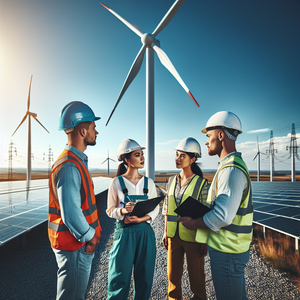
The Rise of the AI-Augmented Energy Analyst

The energy sector is experiencing significant technological disruption, and AI is at the heart of this transformation. From improving energy demand forecasting to reducing carbon emissions, AI offers unprecedented tools that enhance efficiency, precision, and adaptability. Below are some of the most impactful applications revolutionizing the field of energy analysis.
Energy Demand Forecasting
Accurate energy demand forecasting is fundamental for ensuring a reliable energy supply and avoiding costly overproduction or shortages. Traditionally, analysts relied on historical data and simplistic models, which often struggled to account for complex variables like weather patterns, consumer behavior, and economic trends. Today, AI-powered predictive algorithms have changed the game. Machine learning models can process vast amounts of real-time data, identifying patterns and predicting energy demand with remarkable accuracy. For example, Google DeepMind has collaborated with energy utilities to optimize power grid operations using AI. By analyzing historical and real-time data, their algorithms help reduce energy costs and minimize carbon emissions. Such advancements allow energy analysts to make faster, more informed decisions.
Renewable Energy Optimization
The growing adoption of renewable energy sources like wind and solar has introduced variability into the energy grid. Unlike fossil fuels, renewables are weather-dependent, making energy production less predictable. AI-powered tools are now enabling analysts to model scenarios, optimize energy storage, and balance supply and demand effectively. Tesla, for instance, uses AI to manage its energy storage systems, ensuring that renewable energy is stored and supplied efficiently when production fluctuates. These systems reduce reliance on fossil fuels, helping energy companies meet sustainability goals while maintaining grid stability.
Anomaly Detection and Risk Mitigation
The energy sector increasingly depends on digital infrastructure, making it vulnerable to cyberattacks, system failures, and inefficiencies. AI excels at anomaly detection, analyzing data streams to identify irregularities or potential risks. For example, AI can detect unusual patterns in energy consumption that may indicate equipment malfunctions, enabling analysts to act proactively and minimize downtime. This capability is particularly critical as smart grids and IoT-connected devices become more prevalent. By identifying vulnerabilities early, AI helps energy analysts safeguard assets and ensure operational continuity.
Carbon Emissions Tracking and Compliance
With stricter environmental regulations and corporate sustainability goals, carbon emissions tracking has become a priority for energy companies. AI tools enable detailed monitoring and reporting of carbon footprints across supply chains, helping organizations identify opportunities for improvement. Microsoft’s Sustainability Calculator is one notable example, providing a platform for companies to measure and manage their emissions. Energy analysts use such tools to recommend strategies like integrating renewable energy sources, optimizing logistics, and improving operational efficiency—all of which contribute to reducing environmental impact.
The Irreplaceable Value of Human Judgment
While AI enhances efficiency and accuracy in energy analysis, it cannot replace the unique strengths of human analysts. The collaboration between humans and machines is key to navigating the complexities of the energy sector. Here’s why human judgment remains indispensable: AI is exceptional at identifying patterns and processing data, but it often lacks the ability to interpret nuanced contexts. Geopolitical events, regulatory changes, and cultural shifts can significantly influence energy markets, and understanding these factors requires human expertise. Analysts bring a contextual awareness that allows them to interpret AI-driven insights through a broader lens, ensuring a well-rounded approach to decision-making. Additionally, energy decisions often involve ethical considerations, such as balancing economic goals with environmental responsibilities. While AI can provide data-driven recommendations, it is up to human analysts to evaluate the societal and ethical implications of these choices. Human creativity and communication skills also remain essential for solving ambiguous challenges and translating AI-generated insights into actionable strategies.
Preparing for the Future of Energy Analysis
As AI becomes increasingly integrated into the energy sector, energy analysts must adapt to thrive in this evolving landscape. Here are some strategies for staying ahead: Upskilling in AI and data analytics, embracing interdisciplinary expertise, focusing on strategic thinking, and building collaborative networks. By learning foundational AI concepts, broadening knowledge across fields like environmental science and public policy, and honing leadership-oriented skills, analysts can better navigate the complexities of modern energy markets. Collaboration across diverse teams, including AI specialists and policymakers, will also be essential for fostering innovation and staying informed about industry trends.
The rise of the AI-augmented energy analyst marks a turning point in the energy industry—one where technology and human ingenuity converge to address the sector’s most pressing challenges. By automating routine tasks and providing deeper insights, AI empowers analysts to focus on strategic decision-making, creative problem-solving, and ethical leadership. Looking ahead to Q1 2025 and beyond, the energy sector will demand a collaborative approach that leverages the strengths of both humans and machines. The AI-augmented energy analyst is not just a role—it’s a vision of the future, where sustainable, efficient, and innovative energy solutions become the norm. By embracing this partnership between AI and human expertise, energy analysts will lead the charge toward a more resilient and sustainable energy future.
AI Energy Systems Analyst
Utilities, renewable energy startups (e.g., Tesla, Siemens Energy), and AI consulting firms
Responsibilities
Develop and deploy machine learning models to optimize energy systems, including grid performance and renewable energy integration.
Analyze large datasets from IoT devices, smart grids, and weather forecasts to improve energy forecasting accuracy.
Collaborate with energy companies to design AI-driven solutions for sustainability goals, such as carbon tracking and energy efficiency.
Required Skills
Proficiency in Python, R, or MATLAB for data modeling and analysis.
Experience in energy systems, renewable energy, and AI algorithms (e.g., predictive analytics or anomaly detection).
Familiarity with energy sector regulations and market dynamics.
Renewable Energy Optimization Specialist
Renewable energy firms (e.g., Ørsted, First Solar) and energy consultancies
Responsibilities
Use AI tools to model and optimize energy storage and distribution for renewables like wind and solar.
Forecast renewable energy production based on weather data and manage variability to ensure grid stability.
Design strategies to reduce reliance on fossil fuels while meeting energy demand in real-time.
Required Skills
Strong understanding of renewable energy technologies and grid management.
Hands-on experience with optimization algorithms and energy storage systems (e.g., batteries, microgrids).
Knowledge of sustainability standards and carbon reduction strategies.
Energy Data Scientist
Big tech companies (e.g., Google, Microsoft) and energy trading firms
Responsibilities
Build and interpret machine learning models for energy demand forecasting, pricing strategies, and risk assessment.
Analyze unstructured data from energy platforms, market transactions, and IoT devices to extract actionable insights.
Develop dashboards and visualizations to communicate AI-driven insights to stakeholders.
Required Skills
Expertise in data science tools like TensorFlow, PyTorch, and SQL databases.
Background in energy economics, market trends, and statistical modeling.
Ability to translate technical findings into business strategies.
Carbon Emissions Compliance Analyst
Government agencies, multinational corporations with sustainability divisions, and environmental NGOs
Responsibilities
Monitor and report carbon emissions across supply chains using AI-powered compliance tools.
Identify opportunities for energy companies to reduce emissions and meet regulatory requirements.
Collaborate with policymakers to develop sustainability initiatives and ensure adherence to environmental laws.
Required Skills
Expertise in carbon accounting frameworks (e.g., GHG Protocol, ISO standards).
Experience with AI platforms for emissions tracking, such as Microsoft Sustainability Calculator.
Knowledge of global environmental policies and corporate ESG (Environmental, Social, and Governance) reporting.
Smart Grid Cybersecurity Specialist
Utility providers, cybersecurity firms (e.g., Palo Alto Networks), and government energy agencies
Responsibilities
Protect energy infrastructure from cyber threats by analyzing data for anomalies and vulnerabilities.
Implement AI-based tools to monitor and secure smart grids and IoT-connected energy devices.
Conduct risk assessments and develop response plans for potential digital infrastructure failures.
Required Skills
Expertise in cybersecurity protocols (e.g., NERC CIP, ISO 27001) and penetration testing.
Experience with AI-driven anomaly detection platforms and cybersecurity analytics.
Familiarity with energy grid systems and SCADA (Supervisory Control and Data Acquisition) networks.