The Science of Water Damage Restoration: Understanding the Technology Behind the Process

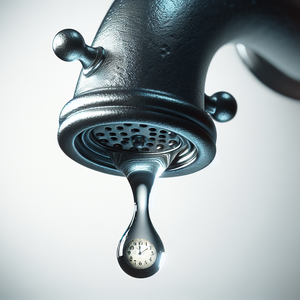
When water damage occurs, time is of the essence. The longer water sits in a home, the more damage it can cause. Within 24 to 48 hours, mold can begin to grow, leading to potential health hazards and more extensive repairs. According to the Institute of Inspection, Cleaning and Restoration Certification (IICRC), quick response times significantly mitigate damage. Professional water damage restoration services operate on this principle, utilizing advanced technology to detect and address water issues promptly, preventing further complications.
Advanced Water Extraction Techniques
The first step in the restoration process is the removal of standing water. Restoration companies employ high-powered extraction equipment, such as truck-mounted vacuums and submersible pumps, which are critical in efficiently removing large volumes of water. These machines can extract water quickly, minimizing the time that structures are exposed to moisture. For instance, a recent project in San Diego involved a family whose basement flooded after a heavy storm. The restoration team from a local company, such as SERVPRO of San Diego City, arrived within hours, using powerful extraction equipment that removed nearly 1,000 gallons of water in under two hours. This rapid response not only saved the structure from extensive damage but also reduced the likelihood of mold growth.
Structural Drying: The Science Behind It
Once the water is removed, the next vital step is drying out the affected areas. Restoration professionals use a variety of drying techniques, including air movers and dehumidifiers, to facilitate the evaporation of moisture from walls, floors, and other surfaces. Air movers, which are specialized fans, create airflow across wet surfaces, hastening the evaporation process. Dehumidifiers then pull moisture from the air, ensuring that the relative humidity in the room stays at a safe level. Together, these tools work in tandem to create an environment conducive to drying. For example, in a recent case involving water damage from a broken pipe, a restoration team from Paul Davis Restoration set up a network of air movers and dehumidifiers that reduced the moisture levels in the affected area from 85% to 40% within 48 hours. This scientific approach not only dried the space efficiently but also helped maintain the structural integrity of the home.
Mold Remediation: A Critical Component
Mold growth is a significant concern following water damage. Understanding the science behind mold growth is crucial for effective remediation. Mold spores thrive in damp, warm environments, and without proper intervention, they can multiply rapidly. Professional restoration companies utilize specific techniques for mold remediation, which include containment, air filtration, and the application of antifungal agents. Containment prevents the spread of mold spores to unaffected areas, while air filtration systems use HEPA filters to capture airborne particles. Professionals then apply specialized cleaning solutions to eliminate mold at its source. A case study from San Diego highlights the importance of professional mold remediation. After a homeowner attempted to clean the mold themselves, the problem worsened, leading to extensive damage that required significant repairs. A professional team from Restoration 1 was called in, and through their scientific methods, they successfully contained and remediated the mold, allowing the homeowner to return safely to their property.
The science of water damage restoration is a complex field that combines advanced technology with a deep understanding of environmental principles. Homeowners should recognize the importance of calling professionals when faced with water damage; the speed and expertise of restoration teams can prevent further damage and health hazards. By appreciating the scientific methods behind water extraction, structural drying, and mold remediation, homeowners can make informed decisions and ensure their homes are restored to a safe and livable condition. Ultimately, investing in professional water damage restoration is not just about repairing a home; it’s about safeguarding health and well-being in the long run. In San Diego, companies such as SERVPRO, Paul Davis Restoration, and Restoration 1 exemplify the technological advancements and scientific knowledge necessary to effectively address water damage. Their commitment to quick response and thorough restoration not only protects property but also promotes the health and safety of the community they serve.
Water Damage Restoration Technician
SERVPRO, Paul Davis Restoration, Restoration 1
Core Responsibilities
Operate extraction equipment and tools to remove water from affected areas.
Assess and document the extent of water damage, identifying structural and content restoration needs.
Implement drying techniques using air movers and dehumidifiers to restore moisture levels.
Required Skills
Knowledge of water damage restoration processes, including IICRC standards.
Ability to work in hazardous environments and use personal protective equipment (PPE).
Strong problem-solving skills and attention to detail.
Mold Remediation Specialist
ServiceMaster Restore, AdvantaClean, local restoration firms
Core Responsibilities
Conduct mold assessments and establish containment protocols to prevent cross-contamination.
Apply antifungal agents and perform mold removal techniques in compliance with safety regulations.
Educate clients on mold prevention and the importance of humidity control.
Required Skills
Certification in mold remediation (e.g., IICRC Certified Mold Remediator).
Familiarity with air filtration systems and HEPA technologies.
Strong communication skills to explain processes and safety measures to clients.
Environmental Health and Safety (EHS) Officer
Large restoration companies, construction firms, municipalities
Core Responsibilities
Develop and implement health and safety policies for water damage and mold remediation operations.
Conduct site inspections to ensure compliance with occupational safety standards and regulations.
Provide training sessions for staff on safe handling of hazardous materials and emergency response protocols.
Required Skills
Bachelor’s degree in Environmental Science, Occupational Health, or a related field.
Certifications such as Certified Safety Professional (CSP) or OSHA training.
Strong analytical skills and the ability to communicate safety guidelines effectively.
Restoration Project Manager
Large restoration firms, property management companies, insurance companies
Core Responsibilities
Oversee restoration projects from initial assessment through completion, ensuring timely and budget-friendly execution.
Coordinate between clients, insurance adjusters, and restoration crews to manage expectations and deliverables.
Maintain project documentation, including estimates, contracts, and progress reports.
Required Skills
Proven experience in project management, preferably in the restoration or construction industry.
Excellent organizational and multitasking abilities.
Knowledge of insurance claims processes related to property damage.
Structural Engineer for Restoration
Engineering consultancies, restoration companies, architectural firms
Core Responsibilities
Assess and analyze structural integrity following water damage incidents to determine necessary repairs.
Collaborate with restoration teams to ensure compliance with engineering standards and building codes.
Provide recommendations for structural reinforcements or modifications to prevent future damage.
Required Skills
Professional engineering license (PE) and a degree in Civil or Structural Engineering.
Experience in building assessments and knowledge of restoration techniques.
Ability to communicate complex engineering concepts to non-technical stakeholders.