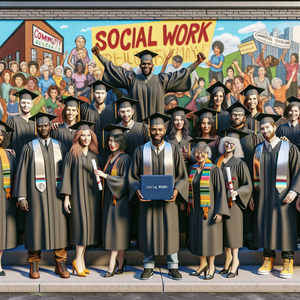
The Unsung Heroes: Unique Social Work Roles You’ve Never Heard Of

One of the most critical yet often overlooked roles in social work is that of the medical social worker. These professionals work in healthcare settings, such as hospitals and rehabilitation centers, where they assist patients and families in navigating the complexities of the medical system. For example, consider the story of Lisa, a medical social worker in a bustling urban hospital. Lisa often finds herself at the intersection of healthcare and emotional support. She recalls a particular case involving a young mother diagnosed with cancer. Beyond helping her access treatment options, Lisa provided emotional support and connected the family with community resources for financial aid and childcare. By addressing both the medical and emotional needs of her clients, Lisa exemplifies the invaluable role of medical social workers in promoting holistic patient care. Medical social workers also play a vital role in discharge planning. They assess patients’ home environments, ensuring that appropriate services, such as home health care or rehabilitation, are in place before a patient leaves the hospital. This proactive approach helps prevent readmissions and ensures continuity of care, showcasing the critical function they fulfill in the healthcare ecosystem.
Forensic Social Workers: Bridging the Justice System
Forensic social work combines social work with legal systems, focusing on individuals involved in the justice system. These professionals work with clients who may be victims or perpetrators of crime, providing assessments, therapy, and support. Take the case of Mark, a forensic social worker who specializes in juvenile justice. He often works with youth who have been incarcerated, helping them reintegrate into society through counseling and skill-building programs. Mark recalls a young client who had been in and out of the system. Through persistent engagement and support, Mark was able to help him secure a job and reconnect with his family. This transformation not only changed the young man's life but also positively impacted his community, showcasing how forensic social workers play a pivotal role in rehabilitation and prevention. Additionally, forensic social workers may be involved in court proceedings, providing expert testimony on the mental health and social circumstances of individuals involved in legal cases. Their insights can influence sentencing and rehabilitation programs, highlighting the importance of their contributions to the justice system.
Social Workers in the Military: Supporting Those Who Serve
Another unique and impactful role in social work is that of military social workers, who provide essential services to active-duty service members, veterans, and their families. These social workers address a range of issues, including PTSD, substance abuse, and family dynamics. Sarah, a military social worker, shares her experiences working with veterans transitioning back to civilian life. She describes the emotional challenges faced by her clients, from grappling with trauma to finding stable employment. By providing counseling and connecting them with resources, Sarah helps veterans navigate their struggles. Her work not only aids in individual recovery but also fosters greater understanding and support within communities for those who have served. Military social workers also play a crucial role in crisis intervention, particularly in situations involving suicide prevention and mental health emergencies. Their specialized training equips them to deal with the unique stresses of military life, bridging the gap between service members and the support systems they need.
The diverse roles within the social work profession extend far beyond traditional boundaries, revealing a spectrum of opportunities to make a difference in various environments. Medical social workers, forensic social workers, and military social workers are just a few examples of the unsung heroes who dedicate their lives to supporting individuals and families facing unique challenges. By shedding light on these lesser-known roles, we can appreciate the breadth of social work’s impact and inspire future professionals to explore the many avenues available to them in this vital field. The stories of these professionals remind us that social work is not just a career; it’s a commitment to creating positive change in the world. As we recognize the contributions of these unsung heroes, we pave the way for a greater understanding of the essential role social workers play in fostering healthier, more resilient communities.
Medical Social Worker
Hospitals, rehabilitation centers, and outpatient clinics
Core Responsibilities
Coordinate patient care and assist with discharge planning to ensure a smooth transition from hospital to home.
Provide emotional support and counseling to patients and families facing medical challenges.
Connect clients with community resources, such as financial aid and rehabilitation services.
Required Skills
Strong understanding of healthcare systems and medical terminology.
Excellent communication and interpersonal skills for patient interaction.
Compassion and empathy for working with patients in distress.
Unique Qualifications
A Master’s degree in Social Work (MSW) and clinical licensure (LCSW or similar).
Forensic Social Worker
Juvenile justice facilities, rehabilitation programs, and legal agencies
Core Responsibilities
Conduct assessments and provide therapy for individuals involved in the criminal justice system.
Support rehabilitation efforts for juvenile offenders, focusing on reintegration into society.
Provide expert testimony in court regarding clients' mental health and social circumstances.
Required Skills
In-depth knowledge of the legal system and experience working within it.
Strong analytical skills to assess complex social situations.
Ability to maintain confidentiality and handle sensitive information.
Unique Qualifications
Experience in forensic psychology or criminal justice, and specialized training in trauma-informed care.
Military Social Worker
Military bases, veteran affairs offices, and non-profit organizations
Core Responsibilities
Provide counseling and support services to active-duty service members and veterans dealing with PTSD and other mental health issues.
Facilitate family therapy sessions to address dynamics affected by military service.
Develop programs aimed at preventing suicide and promoting mental wellness within military communities.
Required Skills
Understanding of military culture and the unique challenges faced by service members and their families.
Crisis intervention skills and experience in mental health counseling.
Strong networking abilities to connect clients with veteran services and resources.
Unique Qualifications
Experience in military contexts and certification in trauma-focused therapy.
Child Welfare Social Worker
Child protective services, non-profit organizations, and social service agencies
Core Responsibilities
Investigate reports of child abuse or neglect and work on developing safety plans for at-risk children.
Collaborate with families to create intervention plans, ensuring the well-being of children in challenging environments.
Advocate for children’s rights within the legal system and facilitate adoptions or foster placements when necessary.
Required Skills
Knowledge of child development and family dynamics.
Strong observational and assessment skills to evaluate family situations.
Ability to work collaboratively with law enforcement, legal entities, and community organizations.
Unique Qualifications
A Master’s degree in Social Work with a focus on child welfare, and state licensure.
School Social Worker
Public and private schools, educational institutions, and community outreach programs
Core Responsibilities
Provide counseling and support to students facing social, emotional, or behavioral challenges within an educational setting.
Develop and implement programs to address bullying, mental health awareness, and student engagement.
Collaborate with teachers, parents, and administrators to create supportive learning environments.
Required Skills
Strong understanding of educational systems and child psychology.
Effective communication and conflict resolution skills.
Ability to work with diverse populations and address varied cultural needs.
Unique Qualifications
Certification in school social work and familiarity with educational policies and regulations.