The Power of Employee Referrals in Recruitment

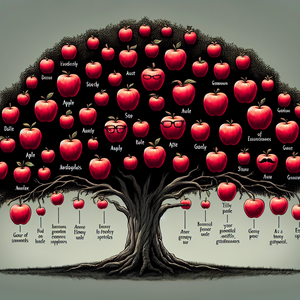
Employee referrals are a powerful recruitment tool, providing numerous advantages over traditional hiring methods. First and foremost, candidates referred by current employees typically come with a higher level of trust and reliability. Employees who recommend candidates have a vested interest in ensuring that the new hire aligns with the company culture and performs well, as their reputation is at stake. This internal advocacy leads to a more efficient hiring process, with referred candidates often adapting more quickly and performing better than those sourced through job boards or recruitment agencies.
Higher Retention Rates
In addition to faster hiring times, employee referral programs significantly enhance employee retention. Research shows that referred hires tend to stay with the company longer compared to those recruited through other channels. A study by LinkedIn found that referred employees have a 25% higher retention rate after two years of employment. This increased longevity can be attributed to a better understanding of the company's culture and values, which leads to a stronger fit within the organization.
Success Stories from Leading Companies
Many organizations have successfully transformed their recruitment processes through employee referral programs. One notable example is Zocdoc, a financial services company that has developed a robust referral program rewarding employees for bringing in top talent. This program offers substantial bonuses for successful hires, motivating employees to engage actively in sourcing candidates. Consequently, Zocdoc has experienced a marked increase in the quality of their hires and a reduction in time-to-fill for open positions.
Optimizing Employee Referral Programs
To maximize the effectiveness of employee referral programs, organizations should consider several key strategies: 1. Create a Clear and Compelling Referral Policy: Establishing a transparent referral policy that outlines the process, rewards, and expectations is vital. 2. Promote Referral Programs Regularly: Consistent promotion of referral programs through internal communications, team meetings, and company-wide events can keep the initiative top-of-mind. 3. Leverage Technology: Utilizing technology can streamline the referral process. 4. Foster a Culture of Referral: Encouraging a culture where referrals are valued and recognized can drive participation.
Employee referral programs are a powerful mechanism for attracting top talent while fostering a positive organizational culture. By leveraging the insights and trust of current employees, organizations can improve their hiring processes, enhance retention rates, and ultimately cultivate a more engaged workforce.
Talent Acquisition Specialist
LinkedIn, Google, HubSpot
Core Responsibilities
Develop and implement recruitment strategies, including employee referral programs to enhance candidate sourcing.
Conduct interviews and assess candidate qualifications while ensuring alignment with company culture.
Maintain candidate databases and manage applicant tracking systems to streamline the hiring process.
Required Skills
Strong understanding of recruitment metrics and analytics to measure the success of referral programs.
Excellent interpersonal and communication skills to build rapport with candidates and current employees.
Experience with applicant tracking systems (ATS) and HR software.
Employee Engagement Manager
Salesforce, Zocdoc, Microsoft
Core Responsibilities
Design and implement programs that enhance employee engagement and promote a culture of referrals.
Analyze employee feedback to improve referral strategies and overall workplace satisfaction.
Collaborate with HR and leadership to align engagement initiatives with company goals.
Required Skills
Proven experience in employee engagement strategies and program management.
Strong analytical skills to interpret survey results and employee feedback.
Exceptional communication skills to effectively promote engagement initiatives across the organization.
Recruitment Marketing Specialist
HubSpot, Glassdoor, Indeed
Core Responsibilities
Create compelling content and campaigns to promote the company’s employer brand and employee referral programs.
Utilize social media and digital marketing strategies to attract potential candidates.
Collaborate with talent acquisition teams to identify key messaging for various roles.
Required Skills
Proficiency in digital marketing tools and platforms, including SEO and social media management.
Strong writing and storytelling skills to engage prospective candidates.
Experience in analyzing campaign performance metrics to optimize recruitment marketing efforts.
HR Business Partner
Accenture, IBM, Deloitte
Core Responsibilities
Partner with business leaders to align HR strategies with organizational goals, including talent acquisition and referral initiatives.
Provide guidance on employee development programs to improve retention rates.
Facilitate training sessions that educate employees about the referral process and its benefits.
Required Skills
Strong understanding of business operations and the role of HR in driving organizational success.
Excellent problem-solving skills to address workforce challenges related to recruitment and retention.
Experience in change management and coaching leaders on effective HR practices.
Data Analyst - Recruitment Metrics
PayPal, Amazon, Facebook
Core Responsibilities
Analyze recruitment data to assess the effectiveness of employee referral programs and overall hiring strategies.
Create reports and dashboards that provide insights into candidate demographics, hiring cycles, and retention rates.
Collaborate with HR teams to develop data-driven strategies for improving recruitment processes.
Required Skills
Proficiency in data analysis tools such as Excel, Tableau, or SQL for data visualization and reporting.
Strong analytical and critical thinking skills to interpret complex data sets.
Experience in HR analytics or related fields to provide strategic insights.