The Silent Saboteurs: Unraveling the Mystery of Food-Drug Interactions with Pharmacist Insights
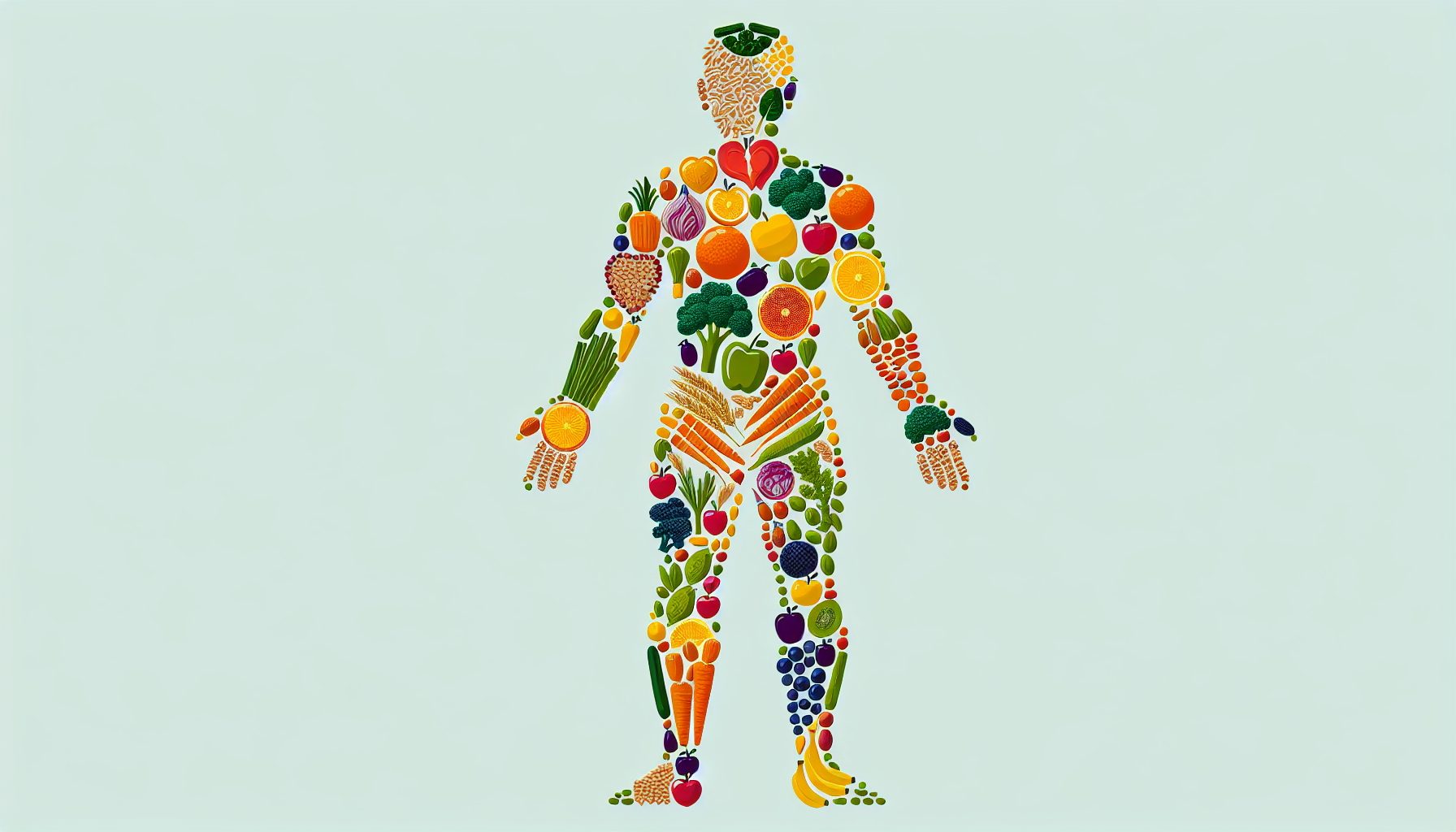
Food-drug interactions occur when certain foods affect the pharmacokinetics (how the body absorbs, distributes, metabolizes, and excretes a drug) or pharmacodynamics (the effects of the drug on the body) of a medication. These interactions can lead to decreased drug absorption, altered metabolism, or direct chemical reactions that render the drug inactive. A thorough understanding of these interactions requires a deep dive into pharmacology and the unique properties of both the drug and the food involved.
Common but Overlooked Interactions
1. **Leafy Greens and Warfarin**: While leafy greens like kale and spinach are lauded for their nutritional benefits, they are also high in vitamin K, which can counteract the effects of blood-thinning medications like warfarin. This interaction can reduce the drug's efficacy, increasing the risk of blood clots. 2. **Dairy Products and Antibiotics**: Calcium-rich foods such as milk, cheese, and yogurt can bind with certain antibiotics like tetracycline and ciprofloxacin, inhibiting their absorption and reducing their effectiveness in treating bacterial infections. 3. **Aged Cheese and MAO Inhibitors**: Patients on monoamine oxidase inhibitors (MAOIs) for depression must avoid aged cheeses, which contain tyramine. This interaction can lead to dangerously high blood pressure, posing serious health risks. 4. **Licorice and Digoxin**: Glycyrrhizin, a compound found in licorice, can interfere with digoxin, a medication used for heart conditions. This interaction may increase the potential for digoxin toxicity, leading to adverse cardiac effects.
Pharmacist Insights and Case Studies
Pharmacists are uniquely positioned to detect potential food-drug interactions and provide critical guidance to patients. Through case studies and anecdotes, pharmacists illustrate the real-world impact of these interactions. For instance, a pharmacist recounts the case of a patient on statins who experienced unexplained muscle pain and weakness, which was later traced back to regular consumption of grapefruit juice. Another case involved a patient whose anticoagulation therapy was compromised by a sudden increase in leafy green intake, highlighting the need for consistent dietary habits.
The Role of Pharmacists
Pharmacists play a crucial role in educating patients about potential food-drug interactions and helping them make informed dietary choices. They bridge the gap between healthcare providers and patients, offering personalized advice based on an individual's medication regimen and lifestyle. Pharmacists can provide tools such as comprehensive interaction checklists or digital apps that alert patients to potential interactions. They also emphasize the importance of open communication, encouraging patients to disclose all aspects of their diet and supplement use during consultations.
Food-drug interactions are a silent but potent force in healthcare. While some interactions are well-known, many others remain under the radar, posing risks to patient safety and treatment efficacy. By unraveling these mysteries and leveraging pharmacist expertise, patients can better navigate the complexities of their medication regimens. Ultimately, awareness and education are key to ensuring that food remains a source of nourishment, not a barrier to healing. In conclusion, understanding and managing food-drug interactions is vital for optimizing treatment outcomes. Pharmacists, with their unique expertise, are instrumental in guiding patients through these challenges, ensuring that their medication regimens are both safe and effective. By fostering awareness and open communication, healthcare providers and patients can work together to navigate the intricate landscape of food-drug interactions.
Clinical Pharmacist
Hospitals, outpatient clinics, and healthcare systems like Kaiser Permanente and Cleveland Clinic
Responsibilities
Evaluate and manage potential food-drug interactions to optimize patient medication regimens.
Collaborate with healthcare teams to provide comprehensive medication management services.
Conduct patient education sessions to inform about potential dietary impacts on drug efficacy.
Required Skills
Deep understanding of pharmacokinetics and pharmacodynamics.
Strong communication skills for patient interaction and education.
Experience in clinical settings with a focus on chronic disease management.
Pharmacovigilance Specialist
Pharmaceutical companies such as Pfizer, Novartis, and regulatory agencies like the FDA
Responsibilities
Monitor and assess the safety of medications, focusing on adverse food-drug interactions.
Analyze data from clinical trials to identify potential safety concerns.
Develop risk management plans to mitigate adverse interaction risks.
Required Skills
Expertise in drug safety and risk assessment.
Proficiency in data analysis and interpretation.
Strong problem-solving skills to address complex interaction cases.
Nutrition Pharmacist
Integrated healthcare systems, wellness centers, and hospitals
Responsibilities
Integrate nutritional science with pharmacology to manage food-drug interactions.
Provide dietary recommendations tailored to individual medication regimens.
Work with dietitians to create comprehensive patient care plans.
Required Skills
Background in both pharmacy and nutrition.
Ability to analyze complex interaction scenarios and provide actionable advice.
Excellent collaboration skills for working with multidisciplinary teams.
Pharmaceutical Research Scientist
Research institutions, pharmaceutical companies like Merck, and academic settings
Responsibilities
Conduct research on the mechanisms of food-drug interactions and their clinical implications.
Develop new drug formulations that minimize adverse interactions with dietary components.
Publish findings in scientific journals to advance the field of pharmacology.
Required Skills
Strong research and analytical skills.
In-depth knowledge of pharmacology and biochemistry.
Experience with laboratory techniques and clinical trial design.
Medication Therapy Management (MTM) Pharmacist
Community pharmacies like CVS Health, Walgreens, and health insurance companies
Responsibilities
Provide comprehensive medication reviews to identify and resolve food-drug interactions.
Develop personalized medication action plans for patients.
Collaborate with patients and healthcare providers to ensure safe and effective medication use.
Required Skills
Expertise in medication therapy management and patient counseling.
Ability to assess complex medication regimens and dietary habits.
Proficiency in using MTM software and tools.